Floor Drain Cleaning in Denver, PA: Basement and Laundry Drains
The basement floor drain is the lowest opening in your plumbing, so it shows trouble first. Floor drain cleaning in Denver clears basement backups, laundry standpipe overflows and the smells that come with them. Call and you are connected with a local pro.
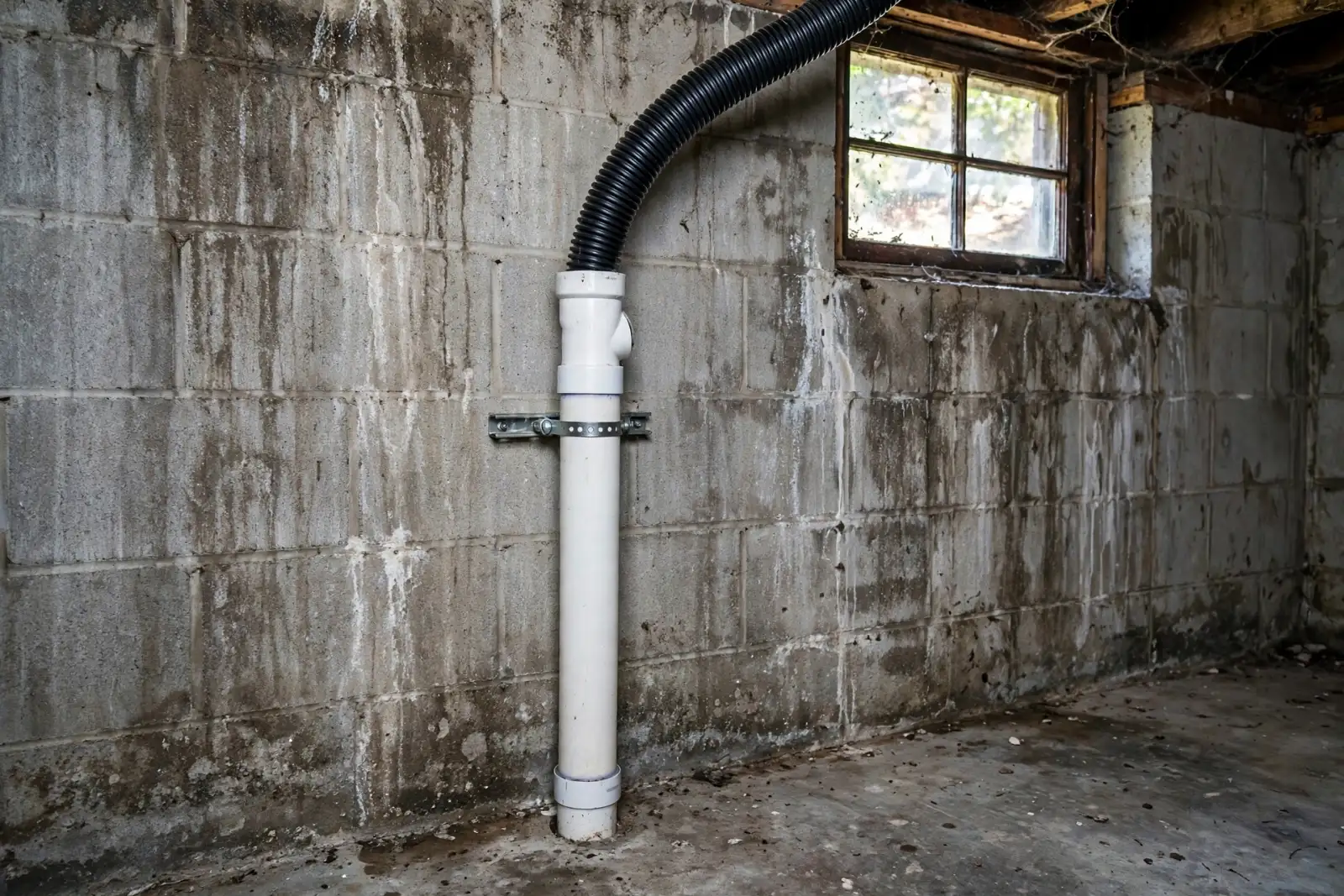
Floor drain cleaning in Denver for basement backups and laundry overflows
Water on the basement floor usually comes from the floor drain backing up or the laundry standpipe overflowing mid-cycle. Both point to a drain line that cannot keep up, and both get worse if you keep running water. Floor drain cleaning in Denver starts by finding which one you have, because the fix follows the source.
This page covers laundry lint and standpipe overflows, floor-drain backups, the smells of dried-out traps, and what storm-season backups mean for low-lying basements. If water is rising right now, stop the washer, keep clear of the water, and call (223) 318-0314.
Laundry drain backing up? Start with the standpipe
The standpipe is the vertical pipe your washer drains into, and it is sized for a flow rate that modern washers often exceed. When the pump discharges faster than the line can carry, water climbs the standpipe and spills onto the floor. It looks like a washer problem, but it is a drain problem: the line past the standpipe is restricted.
Lint is the main restrictor. Every load sheds fibers that bind with soap residue into a felt-like mat inside the pipe. A lint trap on the discharge hose helps, but fine lint still gets through, and over the years the line narrows until one heavy load overwhelms it.
The tech clears the standpipe line with a cable sized for a two-inch drain, then runs the washer through a full cycle to confirm the line keeps up. That running test is the proof; a line that drains an empty sink can still lose to a washer pump.
Why a basement floor drain clog backs up first
A basement floor drain clog shows itself before any other fixture because the floor drain is the lowest opening in the system. When the main building drain restricts, water takes the lowest exit, and in a Denver basement that is the floor drain. The backup is not starting at the floor drain; it is arriving there from downstream.
That is why a floor-drain backup deserves a main-line read before a fixture clearing. If the tub gurgles when the washer runs, or the toilet bubbles when the floor drain backs up, the clog is in the shared main drain, not the floor drain itself. Clearing the floor drain alone in that case buys a day.
The tech runs the multi-fixture check on arrival: several fixtures affected together means the main line gets cleared through the cleanout. One fixture alone means the local line gets the work. The pattern decides, not the puddle. If water is rising fast and spreading across the floor, that is an emergency drain cleaning situation: stop using water and call.
What causes a washing machine drain overflow?
A washing machine drain overflow usually combines three things: a washer pump that discharges fast, a standpipe line narrowed by lint and soap, and sometimes a standpipe without enough height. Together they spill water on the floor every heavy load.
The lint mat is the part you cannot see and the tech clears first. It builds silently for years, then one day the line cannot pass a full discharge. After clearing, the tech checks the standpipe height and the trap, because a line that is clear but poorly arranged will overflow again on the next bulky load.
What helps going forward is boring but real: a lint catcher on the discharge hose, smaller heavy loads, and no powdered detergent caked into the dispenser. None of it replaces the clearing, but it slows the next buildup. When the kitchen sink is part of the pattern, backing up along with the laundry line, see kitchen drain cleaning for the fixture-level side.
Dried-out traps and where drain smells come from
A floor drain that smells but drains fine usually has a dried-out trap. The trap is the U-bend holding water that blocks air from the line, and in a drain that rarely sees water, that seal evaporates. Laundry rooms, old basement bathrooms and utility sinks are the usual suspects.
Mention the smell and which drain it comes from on the call. The tech can confirm whether the trap has dried out or is cracked.
Do not pour anything but water into a floor drain. Chemical cleaners sit in the trap and do nothing for a smell, and oils or solvents belong nowhere near a drain line. Water is the safe answer; a persistent smell after water is a diagnostic question.
Storm-season backups in low-lying basements
Some Denver basements back up when the ground is saturated, even with no clog in the house lines. Heavy rain raises the water around the foundation and the municipal system at the same time, and a low-lying floor drain becomes the relief point. This is a pattern to notice, not a panic: if the backup arrives with wet weather and leaves with it, say so on the call.
A backwater valve is the general answer worth knowing about. It sits in the building drain and lets water flow out while blocking flow back in, which protects the basement when the downstream system surcharges. It is a device to discuss with a professional, not a DIY install, and it needs the right location in the line to work.
What a pro can do is clear the lines so the house side is not adding to the problem, and give you an honest read on whether the pattern points to the house or the weather.
Denver homes and basement drain trouble
Denver Borough's older homes almost always have a basement floor drain, and many still have the original laundry setup in that same basement. Those floor drains have spent decades catching lint, silt and whatever the main line sends back, and the laundry lines are often the original two-inch runs. For the borough's older homes, drain cleaning in Denver Borough covers exactly this housing stock.
Many newer township subdivision homes put the laundry in finished basements, which raises the stakes: an overflowing standpipe does not land on concrete, it lands on flooring. Those homes also run more laundry, with washers discharging into lines that were sized when washers pumped slower. drain cleaning in East Cocalico Township includes basement and laundry drains in the subdivisions around the borough.
Water on the basement floor? Tell us when it happens and a tech will read the pattern.
Reach the on-call teamSmell, slow or backup: what your basement drain is telling you
Three different symptoms, three different causes. Match yours before you call.
| Symptom | Usual cause | What the tech does |
|---|---|---|
| Smell, drains fine | Dried-out trap seal | Refill the trap; check for a cracked trap if it returns |
| Washer overflows the standpipe | Lint-narrowed laundry line | Cable the line; run a full wash cycle to confirm |
| Water up through the floor drain | Main-line restriction downstream | Multi-fixture check; clear the main line if indicated |
| Backup arrives with wet weather | Saturated ground, surcharging system | Clear the house side; discuss backwater valve options |
While you wait: floor drain cleaning
- Stop the washer and stop running water into the basement drains.
- Move valuables and stored items away from the floor drain.
- Do not pour chemical drain cleaner down the floor drain or standpipe.
- Keep children and pets away from backed-up water.
- Note when it happens: during the wash cycle, after rain, or all the time.
Floor drain cleaning in Denver before the next load
A standpipe that overflowed once will overflow again. Call and get the line cleared and tested with a real wash cycle.
Check availability in DenverFrequently asked questions about floor and laundry drains
The washer pump discharges faster than the narrowed line can carry. Years of lint and soap residue build a felt-like mat inside the standpipe line, and one heavy load overwhelms it. Clearing the line restores capacity, and running a full wash cycle afterward proves it. A lint catcher on the discharge hose slows the next buildup.
The trap has usually dried out. The U-bend under the drain holds water that blocks air from the line, and in a rarely used drain that water evaporates. If the smell keeps coming back, the trap may be cracked or the seal is being pulled dry, and a tech should look.
The floor drain is the lowest opening in your plumbing, so a restriction downstream pushes water out there first. It often means the main building drain is restricted, not the floor drain itself. Note whether other fixtures are slow or gurgling too; that pattern tells the tech whether to clear the local line or the main.
Calls are answered 24/7 and same-day dispatch is available where the schedule allows. A floor-drain backup with water rising gets priority because it will not wait. The dispatcher will tell you honestly what the day looks like when you call; arrival times are never promised, but urgent backups move to the front.
Often, yes. Run the check: if the tub gurgles when the washer runs, or several fixtures are slow together, the clog is in the shared main drain downstream of the floor drain. If only the floor drain is affected and everything else runs fine, the local line is the suspect. The tech confirms it with the multi-fixture test on arrival.
A valve installed in the building drain that lets wastewater flow out while blocking it from flowing back in. It protects the basement when the downstream system surcharges, such as during saturated ground conditions. It needs the right location in the line and professional installation; it is a discussion with a pro, not a DIY project.
Yes. Lint binds with soap residue into a dense mat that narrows the pipe a little with every load, and it is invisible until the line fails. It is the most common cause of laundry standpipe overflows in homes that have never had the line cleared. A lint catcher on the washer discharge hose is the simplest prevention there is.
Nothing but water. Chemical cleaners do not help floor drains and make the line hazardous for the technician. Oils, solvents and paint belong nowhere near a drain. For a smell, pour water to refill the trap. For a backup, stop using water and call; the line needs mechanical clearing, not a product.
Washer overflowing again? Call about a floor drain backup.
Get floor drain cleaning in Denver that reads the basement right
A basement drain backup is information: the lowest fixture showing what the lines are doing. Floor drain cleaning in Denver clears the line, tests it under a real load, and tells you whether the main line is involved. Call (223) 318-0314 and tell the pro where the floor drain sits.
Ask about same-day availability