Kitchen Drain Cleaning in Denver, PA
Grease, starch and disposal waste are the most common cause of slow kitchen sinks. Kitchen drain cleaning in Denver clears the clog, then finds why it keeps coming back. Call and you reach a local pro who knows Denver homes.
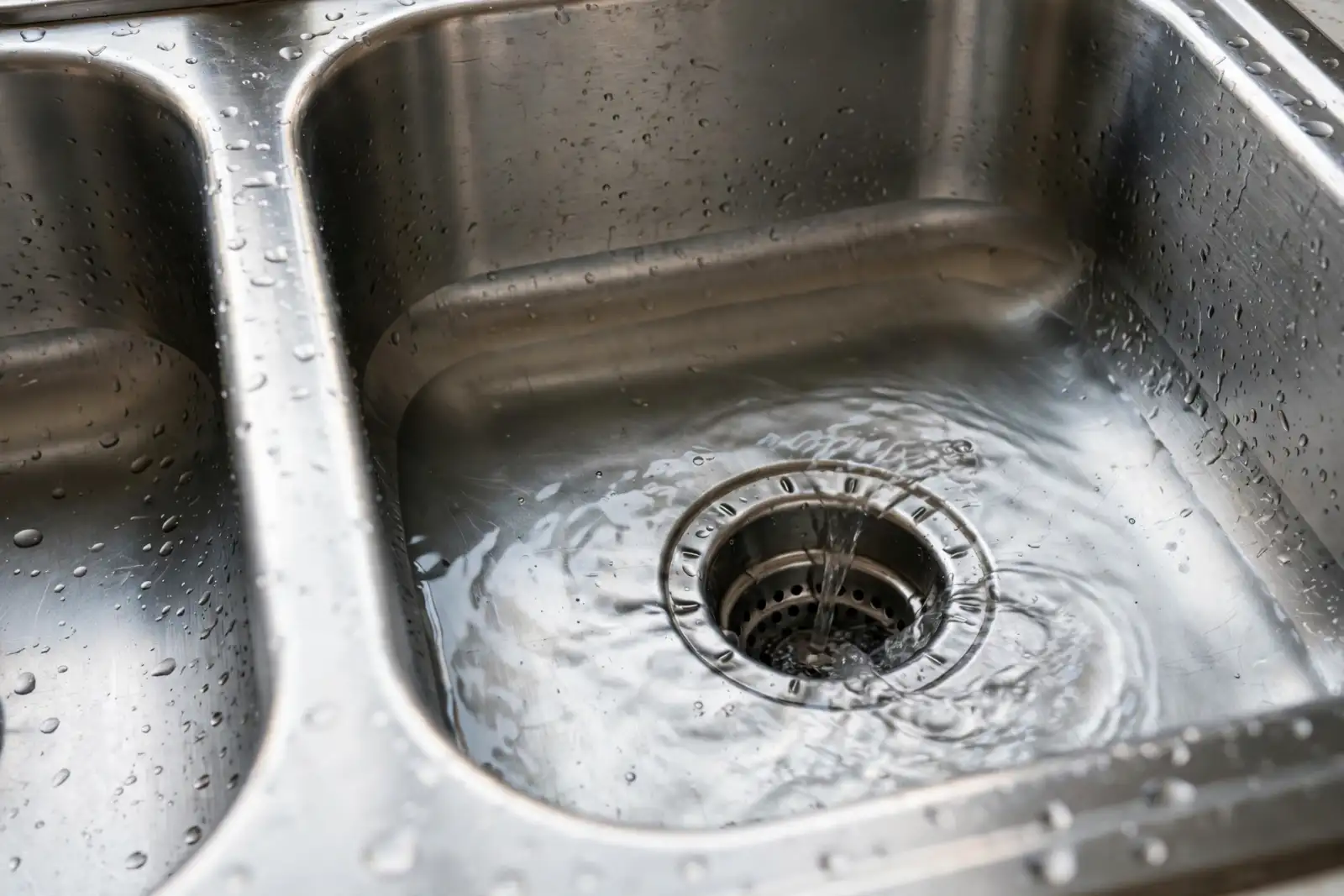
Kitchen drain cleaning in Denver for sinks that keep slowing down
A kitchen sink that drains slowly, gurgles, or fills back up when the dishwasher runs is telling you the branch line is narrowing. In Denver homes that is usually grease and food waste coating the inside of the pipe, and a plunger only moves the symptom around. Kitchen drain cleaning in Denver starts with finding where the blockage sits, then clearing it with the right cable for that line.
This page explains what clogs Denver kitchen lines, how a pro clears them, and which habits actually keep them running. If your sink is backing up right now, call (223) 318-0314 and a local drain cleaning tech will talk it through with you.
How kitchen drain cleaning in Denver clears grease clogs
Grease looks harmless going down hot, but it cools a few feet into the pipe and hardens on the walls. Every pan rinse adds another layer until the opening is a fraction of what it was. Hot water from the tap never gets hot enough, or stays hot long enough, to melt it back out once it sets.
The tech opens the trap or the branch cleanout and runs a cable sized for a kitchen line, cutting through the buildup and pulling it back out. Then the line gets flushed and the flow gets checked at the sink. That check matters: a drain that runs does not always mean a drain that is clear, and Denver techs look for the slow spot that would clog again next month.
A clogged kitchen sink that returns within weeks is the classic sign the line was punched through but never cleaned. Clearing the full diameter of the pipe, not just a hole through the middle, is what breaks that cycle.
Is a clogged kitchen sink a branch-line problem?
With a double sink, which side backs up tells the story. If only one side is slow, the clog is usually in that trap or tailpiece. If both sides fill, or the dishwasher pushes water into the sink, the blockage sits deeper, in the shared branch line behind the wall.
Branch-line clogs are where homeowners get into trouble reaching for a hand snake. The line turns and narrows behind the wall, and the wrong cable can lodge or damage the pipe. A pro reads the backup pattern first, then picks the cable and the access point, usually the trap arm or a cleanout, that reaches the clog without opening the wall.
If the tub gurgles or the toilet bubbles when the kitchen sink drains, the clog is past the branch entirely. That points to the main building drain, which is covered under main drain line cleaning.
Why does the dishwasher push water into the sink?
The dishwasher and the sink share the same drain. When the dishwasher pumps out, that water takes the path of least resistance. If the shared branch is narrowed by grease, the water comes up in the sink instead of going down the line.
Clearing the branch solves both symptoms at once, which is why a pro treats a dishwasher backup as a drain problem, not an appliance problem. While the line is open, the tech also checks the disposal discharge and the baffle tee, because a partial blockage there can mimic a deeper clog.
One thing this is not: a reason to replace the dishwasher. When the sink drains normally and only the dishwasher backs up, the shared line is the first suspect, and it is a straightforward clear.
Fixing a kitchen sink drain clog past the garbage disposal
A disposal grinds food; it does not dissolve it. Fibrous vegetables, coffee grounds and starchy foods like potato peels turn into a paste that packs the trap and the first feet of the branch. A garbage disposal clog usually sits right past the unit, where the ground waste meets a line already narrowed by grease.
The fix is to clear the trap and the branch, then reset how the disposal gets used: small amounts, cold water running, and nothing fibrous or starchy in quantity.
If the disposal hums but the sink still stands full, stop running it and call. A jammed unit plus a packed line is a job for the tech, not the reset button. Forcing it can burn out the motor without moving the clog at all.
Honest habits that keep a kitchen line moving
No product keeps a kitchen drain clear forever, and anyone who tells you otherwise is selling something. What works is boring: scrape plates into the trash, wipe pans with a paper towel before washing, and keep grease out of the sink entirely. Collect cooking grease in a can and throw it out with the trash.
Run cold water while the disposal runs so ground waste stays moving, and run the dishwasher with a full load rather than rinsing everything first. These habits slow buildup; they do not replace clearing when the line is already narrowed. If the sink keeps slowing down despite good habits, the pipe itself may be rough or misaligned, and that is worth a camera look.
Hair and soap clog bathroom lines on a separate branch with a different cause. For those, see bathroom drain cleaning.
Denver homes and kitchen drain trouble
Denver Borough's older homes along the main street and side streets often still have their original kitchen branch lines, and decades of grease have left those pipes rough inside. A rough pipe grabs everything, which is why a borough kitchen can clog on normal use that a newer line would pass without a thought. If that sounds like your house, drain cleaning in Denver Borough covers the borough's older homes and their original laterals.
The newer subdivisions around the borough tell a different story: disposals in nearly every kitchen, dishwashers running daily, and kitchens that see daily cooking. Those lines clog from volume, ground food and grease, not age. Reamstown, just south of the borough, has both older homes and newer builds, so the tech asks about the house before picking the approach; see drain cleaning in Reamstown.
Across all of them, the pattern is the same: repeat kitchen clogs are a symptom, and clearing the symptom without finding the cause just schedules the next visit. A good clearing ends with the tech telling you what the line looked like inside, not just that it drains.
Sink backing up while dinner is still on the stove? A local tech can tell you what to do next.
Get a straight answer by phoneWhat is slowing your kitchen sink
Kitchen clogs look alike at the sink but sit in different places. This is how a tech reads them.
| Cause | What you notice | What the tech does |
|---|---|---|
| Grease buildup | Sink drains slower every week; worse after cooking | Cables the branch line to cut the coating, then flushes and checks flow |
| Starch and food paste | Sudden full stop after a big cooking night | Clears the trap and first feet of branch; resets disposal habits |
| Disposal overload | Humming disposal, standing water on the disposal side | Clears past the unit; checks the discharge and baffle tee |
| Rough or narrowed branch | Same sink clogs again within weeks | Clears fully, then suggests a camera look at the pipe itself |
While you wait: kitchen drain cleaning
- Stop running water into the affected sink.
- Do not pour chemical drain cleaner down it; it can harm pipes and the technician.
- Note which side of a double sink backs up, and when it started.
- Clear the cabinet under the sink so the tech can reach the trap.
- If water is rising in other fixtures too, stop using water in the house.
Kitchen drain cleaning in Denver that clears the whole line
Grease clogs come back when the line is only punched through. Call and get it cleared, flushed and checked.
Check availability in DenverFrequently asked questions about kitchen drain cleaning
Because the blockage keeps getting punched through instead of cleared. Grease and food paste coat the inside of the branch line, and a partial clearing leaves that coating behind, so the next meal finishes the job. A pro clears the full diameter of the line and checks the flow, which is what breaks the cycle.
Yes. Liquid grease cools within a few feet of the drain and hardens on the pipe walls, and each layer narrows the line a little more. Hot tap water cannot melt it back out once it sets. The reliable fix is keeping grease out of the sink and having the coated line cleared mechanically.
It can. A disposal grinds food into small pieces but does not dissolve them, so fibrous vegetables, coffee grounds and starchy foods can pack the trap and the branch line. Running cold water while it runs and feeding it small amounts helps. If the disposal side stands full, stop using it and call rather than forcing it.
The dishwasher drains through the same branch as the sink. When that branch is narrowed by grease, the pumped water takes the easiest path, which is up into the sink. Clearing the shared branch fixes both symptoms at once. A pro treats this as a drain problem first, not an appliance problem.
Clearing removes the blockage that is there today. Whether it stays clear depends on the cause: grease habits you can change, but a rough or damaged pipe will keep grabbing waste. Nobody can promise a drain will never clog again. What a good visit does is clear the line fully and tell you honestly what it found.
Enzyme products are sold as maintenance aids, not clog removers, and they will not open a drain that is already blocked. We do not recommend chemical drain openers of any kind: they can damage pipes and they make the line hazardous for the technician. For a slow kitchen sink, mechanical clearing is the honest fix.
Light use is fine if water still drains, but stop the moment it starts backing up or draining very slowly. Do not run the dishwasher or the disposal into a struggling sink. Less water in the line means a faster, cleaner visit.
Say which sink is affected, whether it is one side or both of a double sink, when it started, and whether the dishwasher or disposal is involved. That tells the dispatcher what equipment the tech should bring. Calls are answered 24/7, and pricing is explained before any work begins.
Water rising while you read this? Call before it gets worse.
Get kitchen drain cleaning in Denver that finds the cause
A slow kitchen sink is a small problem with a simple fix, until it becomes the third backup in two months. Kitchen drain cleaning in Denver clears the clog and tells you why it happened, so you can stop scheduling the same visit. Call (223) 318-0314 and talk to a local pro today.
Get Denver help today